

Keshuo Motor News
Keshuo Motor News Hub - Company, Industry, Knowledge & Case Updates
Latest micro motor technology updates, manufacturing innovations, successful project case studies
20
2025
-
08
Precision 12V Stepper Motors: Engineered for High Torque in Low Voltage Systems
Key words:
Discover precision 12V stepper motors engineered for high torque and seamless low-voltage integration. Reliable, efficient motion solutions.
Author:
KESHUO

Table of Contents
Designing for low-voltage applications? You need a motor that delivers precision without compromise. The 12v stepper motor is the engineered solution for high-performance motion in 12V systems. It transforms power constraints into strategic advantages, offering exceptional control, reliability, and seamless integration.
At Keshuo Motor, we specialize in advanced motion solutions. Our high torque 12v stepper motor delivers unmatched performance where it matters most. This guide explores how the right 12v dc stepper motor can elevate your design while maintaining perfect compatibility with your power requirements.
Discover why engineers worldwide choose the 12 volt stepper motor as their solution for intelligent motion in compact, portable, and automotive applications.
What Makes a 12V Stepper Motor Tick?
While the fundamental operating principle of a stepper motor - converting digital pulses into precise mechanical rotation - remains consistent across voltages, the engineering considerations for a 12V system are distinct and critical to its performance. Understanding these core principles is essential to selecting the right motor and unlocking its full potential.
The Fundamental Voltage-Current-Torque Relationship
At its heart, a stepper motor is a torque-producing device. The crucial insight is that torque is generated by current flowing through its windings, not by voltage itself. Voltage is merely the "pressure" that pushes this current. The relationship is governed by the motor's winding inductance (L) and resistance (R). The key challenge is the inductor's fundamental property: it opposes changes in current. The time it takes for the current to rise to its required level in each coil (the time constant, τ = L/R) dictates how fast the motor can step and still maintain torque.
A standard stepper motor designed for higher voltages (e.g., 24V, 48V) often has higher inductance windings. This works well with high voltage because the greater electrical "pressure" forces current through the inductive windings quickly. However, if you were to run such a motor at 12V, the current would rise too slowly. At any reasonable speed, the current would never reach its target value, resulting in a catastrophic loss of torque. This is the primary reason a generic stepper motor performs poorly at 12V.
Engineering the Solution: Low Inductance Design
A true 12v stepper motor is fundamentally engineered to overcome this limitation. Keshuo designers achieve this by optimizing the motor's internal architecture for low-voltage operation:
Optimized Magnetic Circuit Design: The stator laminations are precision-engineered from advanced, thin-gauge, low-loss electrical steel. This reduces eddy current losses and provides a more efficient path for magnetic flux, allowing for a stronger magnetic field to be generated with the same electrical input.
Specialized Low-Inductance Windings: This is the most critical differentiator. The motor is wound with a specific number of turns of wire to achieve a lower inductance (L) value. Fewer turns of a thicker-gauge wire reduces the inductive reactance (XL = 2πfL), which is the opposition to AC current flow. This allows the current to ramp up to its rated value much more quickly, even with the lower 12V "push." This design is the secret behind a true high torque 12v stepper motor—it ensures that the motor can achieve its full rated current, and thus its full rated torque, across a much wider speed range.
The Indispensable Partner: The Modern Stepper Driver
The motor's design is only half of the equation. The potential of a low-inductance 12v dc stepper motor is fully realized only when paired with a sophisticated stepper driver. Modern drivers use a technique called PWM (Pulse Width Modulation) chopping to act as high-frequency, switching current regulators.

Here’s how it works: The driver monitors the current flowing to the motor coils. When the current tries to exceed the set limit (based on the motor's rating), the driver quickly switches the power off. When the current drops, it switches it back on. This happens at ultrasonic frequencies (often 20-50kHz). The driver effectively "chops" the voltage waveform, regulating the average current to the exact desired level with high efficiency.
This means that even with a 12V supply, the driver can ensure the motor coils receive the precise current they need to produce maximum holding torque, even when the motor is stationary. This sophisticated partnership between the physically optimized motor and the intelligently controlling driver is what makes modern 12 volt stepper motor systems so powerful and reliable. It allows designers to leverage the safety and availability of a 12V system without sacrificing the performance demanded by today's advanced applications.
The Unmatched Advantages of Choosing a 12V System
Selecting a 12V stepper motor system represents a strategic engineering decision that extends far beyond simple component selection. This choice delivers a cascade of benefits that positively impact safety, design flexibility, system integration, and operational efficiency. For designers and engineers working within low-voltage constraints, these advantages provide compelling reasons to standardize on 12V motion solutions.
Inherent Safety and Simplified Compliance
Operating at Safety Extra Low Voltage (SELV) levels transforms the safety paradigm of your design. 12V systems present significantly reduced risk of electrical shock, allowing for safer prototyping, maintenance, and end-user operation. This safety advantage translates directly into practical benefits: reduced requirements for complex insulation systems, less stringent enclosure specifications, and simplified compliance with international safety standards such as IEC, UL, and CE. The resulting reduction in regulatory overhead can accelerate time-to-market and lower certification costs, particularly for consumer, medical, and automotive applications where safety approvals are mandatory and rigorous.
Unified Power Architecture and Design Simplification
The most significant systemic advantage emerges in power system design. A 12v stepper motor enables a unified power architecture where both logic components (controllers, sensors, processors) and power components (the motor itself) operate from the same 12V power rail. This eliminates the need for multiple voltage regulators, DC-DC converters, and isolated power supplies that would otherwise be required to interface a higher-voltage motor with low-voltage control electronics. The simplification extends to PCB design, reducing board complexity, component count, and overall bill of materials cost. This integrated approach creates more reliable systems with fewer potential failure points and a streamlined manufacturing process.
Enhanced Portability and Energy Efficiency
The compatibility of 12V systems with battery operation and renewable energy sources unlocks exceptional portability. From lead-acid and lithium-ion batteries to solar panels and other alternative energy sources, 12V represents a standard for mobile and off-grid power. Modern high torque 12v stepper motor designs achieve remarkable energy efficiency through optimized magnetic circuits and reduced I²R losses. This efficiency translates directly into extended operational runtime for battery-dependent applications, reduced heat generation, and lower overall energy consumption—critical factors for portable medical devices, field instrumentation, automotive accessories, and remote automation systems.
Exceptional Noise Immunity and Signal Integrity
Lower voltage systems naturally generate less electromagnetic interference (EMI) and are less susceptible to noise propagation through power lines. This characteristic is particularly valuable in sensitive applications where clean signal integrity is paramount. The reduced electrical noise minimizes cross-talk with sensitive analog sensors, communication lines, and precision measurement circuits often found in laboratory equipment, medical devices, and test instrumentation. This inherent noise immunity contributes to more stable system operation and higher overall accuracy.
Broad Component Availability and Ecosystem Support
The widespread adoption of 12V power across multiple industries creates a robust ecosystem of compatible components. Designers benefit from extensive availability of power supplies, wiring, connectors, switches, and protection devices rated for 12V operation, often at lower costs due to economies of scale. This component availability extends to motor control solutions, with numerous driver ICs and pre-built modules specifically optimized for 12V stepper motor operation. This mature ecosystem reduces development risk and provides multiple sourcing options for critical components.
Scalability and Future-Proofing
Implementing a 12V architecture provides inherent scalability for future product iterations and expansions. The power system capacity can be increased through higher-current power supplies or parallel battery configurations without requiring a fundamental redesign of the voltage architecture. This scalability ensures that additional features, more powerful motors, or expanded functionality can be integrated into future product versions while maintaining compatibility with existing designs and components.
By leveraging these comprehensive advantages, engineers can create products that are not only safer and more efficient but also more competitive in the marketplace. The 12v stepper motor thus becomes more than just a component—it becomes the foundation for elegant, robust, and cost-effective motion control solutions.
Keshuo's Engineering Edge: How We Build a Superior 12V Stepper
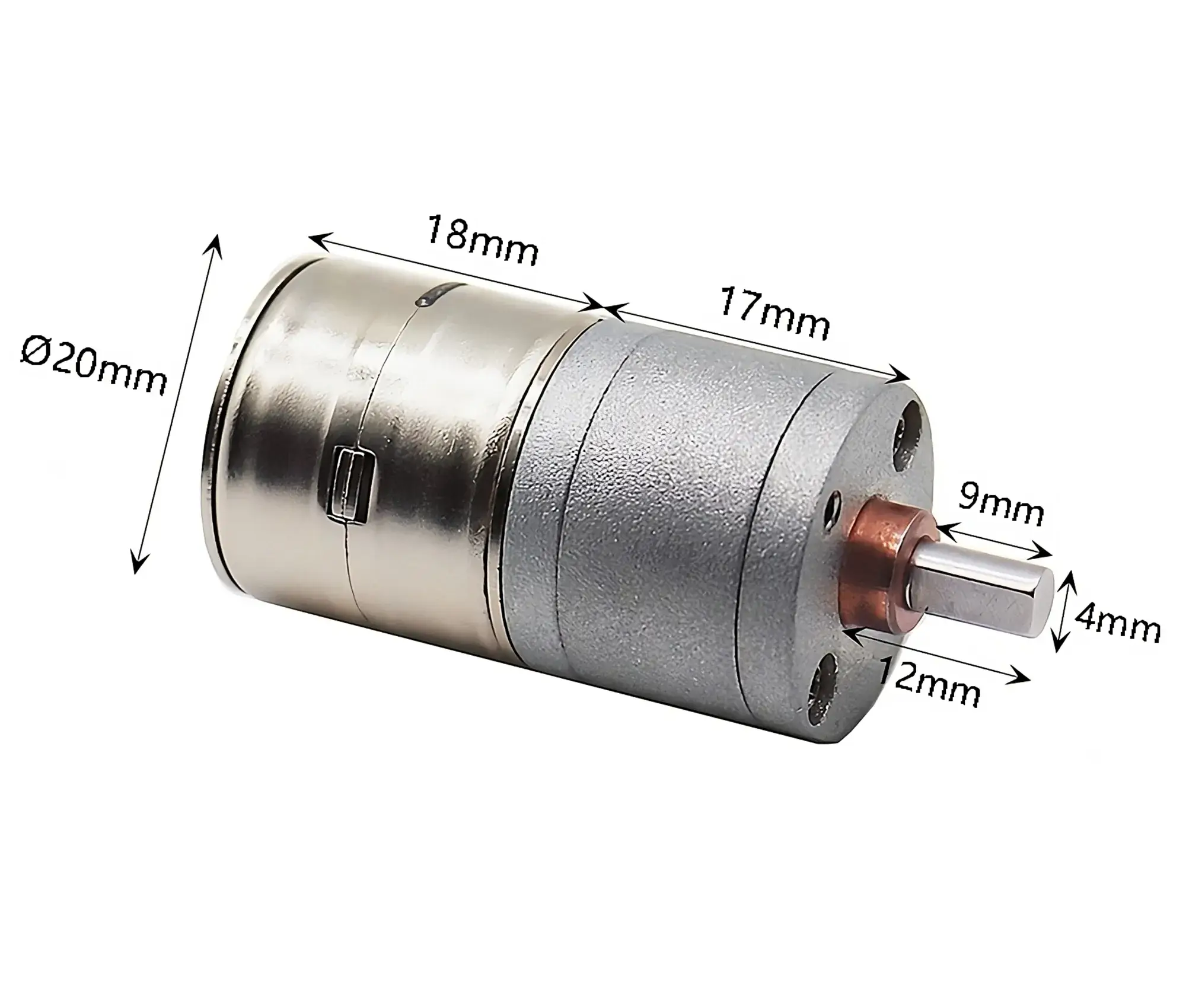
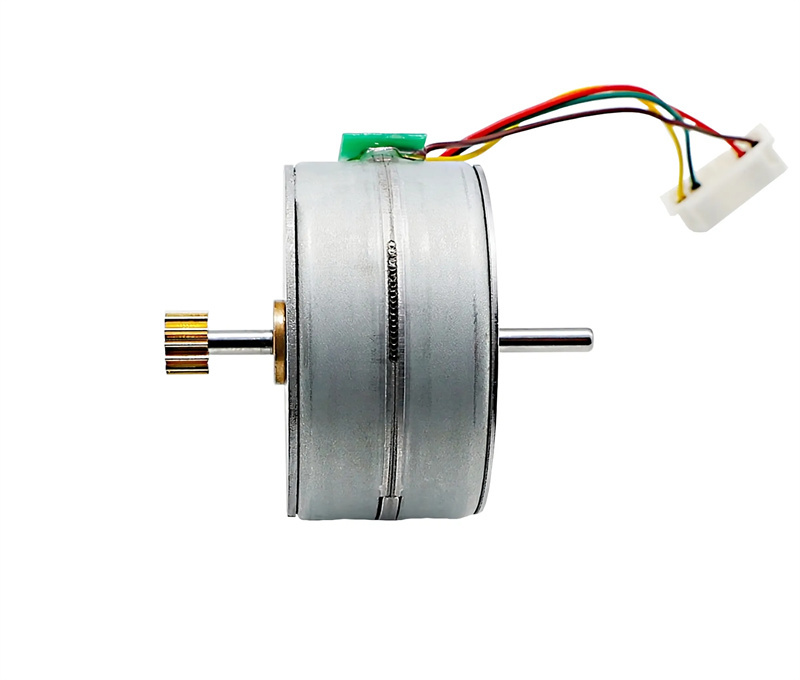
While the fundamental design principles of 12V stepper motors may appear standardized, the execution of these principles separates adequate components from exceptional motion solutions. At Keshuo Motor, our engineering philosophy extends beyond specifications to deliver measurable performance advantages through precision manufacturing, advanced materials science, and relentless attention to detail.
Advanced Materials Selection and Processing
The foundation of our performance advantage begins at the material level. Unlike conventional manufacturers who use standard electrical steels, Keshuo utilizes custom-formulated, thin-gauge (0.35mm-0.5mm) silicon steel laminations with exceptional magnetic properties. These specialized alloys feature reduced hysteresis losses and higher saturation flux density, allowing for stronger magnetic fields without core saturation. Each lamination undergoes precision stamping and proprietary heat treatment processes that further enhance magnetic characteristics while reducing eddy current losses by up to 30% compared to industry-standard materials.
Our commitment to material excellence extends to every component: we employ oxygen-free copper windings with enhanced conductivity, high-purity rare earth magnets with superior coercivity, and specialized composite bearings engineered for minimal friction and long-term reliability. These material choices directly translate to higher efficiency, lower operating temperatures, and extended service life across our entire 12v stepper motor product range.
Precision Manufacturing and Tolerance Control
Our manufacturing philosophy emphasizes consistency and accuracy throughout production. We employ computer-controlled winding equipment that maintains consistent tension control, ensuring uniform coil formation and optimal packing density. This attention to detail results in motors with improved electromagnetic characteristics and more predictable performance parameters.
The mechanical assembly process incorporates specialized fixtures and alignment techniques that ensure precise rotor-stator alignment. This careful assembly contributes to smoother operation, reduced vibration, and more consistent torque output across the full rotational range.
We implement statistical process control at over 200 checkpoints throughout manufacturing, monitoring critical parameters from magnetization consistency to bearing preload. This unprecedented level of control ensures that every high torque 12v stepper motor that leaves our facility not only meets specifications but delivers identical performance to every other motor in its class, enabling true plug-and-play replacement and simplifying inventory management for our customers.
Thermal Management Engineering
The limitation of any 12v dc stepper motor isn't its electrical design but its ability to dissipate heat. Keshuo addresses this fundamental constraint through multi-faceted thermal engineering. Our motor housings incorporate advanced cooling fin designs that increase surface area by 40% over conventional designs, while specialized thermal interface materials ensure efficient heat transfer from internal components to the external environment.
Internally, we employ proprietary vacuum pressure impregnation (VPI) with Class H (180°C) insulation varnishes that not only protect windings but significantly improve heat conduction from copper to the stator structure. This comprehensive approach to thermal management allows our motors to sustain up to 20% higher continuous torque outputs or operate at full rated torque in ambient temperatures up to 80 ~ 120°C—performance boundaries that routinely constrain competitive designs.
Performance Validation and Testing
Every Keshuo 12 volt stepper motor undergoes rigorous performance validation that far exceeds industry standards. Our test protocols include full-load thermal imaging analysis, dynamic torque mapping across the entire speed range, and accelerated life testing that simulates years of operation in hours. We subject random samples from every production lot to destructive testing, pushing motors to failure to identify potential weaknesses long before they could affect customer applications.
This commitment to validation extends to environmental testing, with motors undergoing vibration testing to 5Grms, thermal shock cycling between -40°C and 85°C, and humidity exposure at 95% RH. The result is not just a motor that meets specifications on a data sheet, but one that has been proven to perform reliably in the challenging environments where our customers' products must operate.
Application Specific Optimization
Recognizing that no single design excels in all applications, Keshuo offers tailored optimization across our product lines. For applications requiring extreme responsiveness, we offer low-inertia rotor configurations that improve acceleration rates by up to 35%. For noise-sensitive environments, we provide specialized magnetic balancing and stepping algorithms that reduce audible noise below 45dB. For harsh operating conditions, we can implement sealed construction with IP65 protection or corrosion-resistant materials throughout.
This application-focused approach means that when you select a Keshuo 12v stepper motor, you're not just getting a generic component—you're receiving a motion solution engineered specifically for the demands of high-performance applications where reliability, precision, and efficiency cannot be compromised.
Application Spotlights: Where 12V Stepper Motors Excel
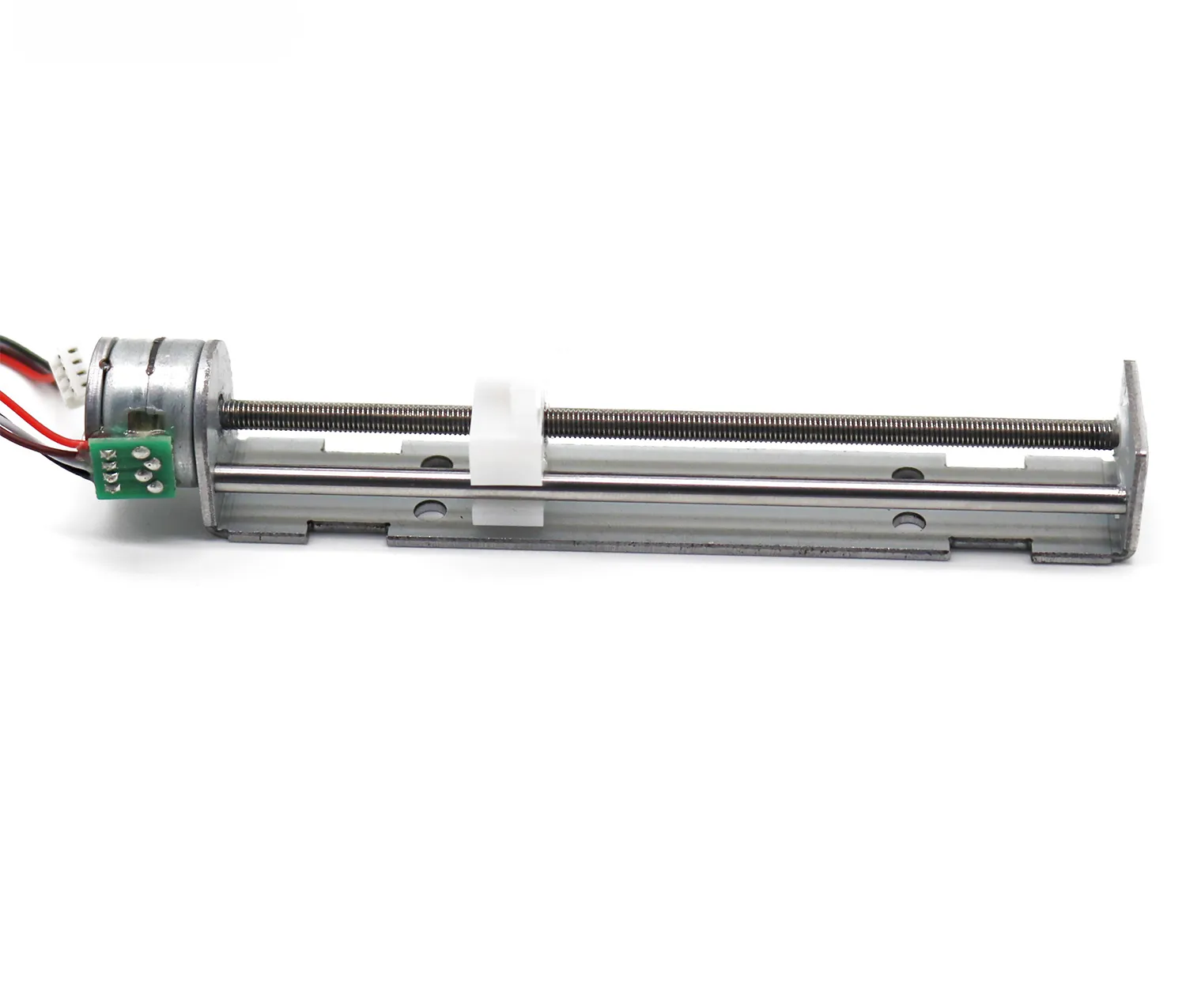
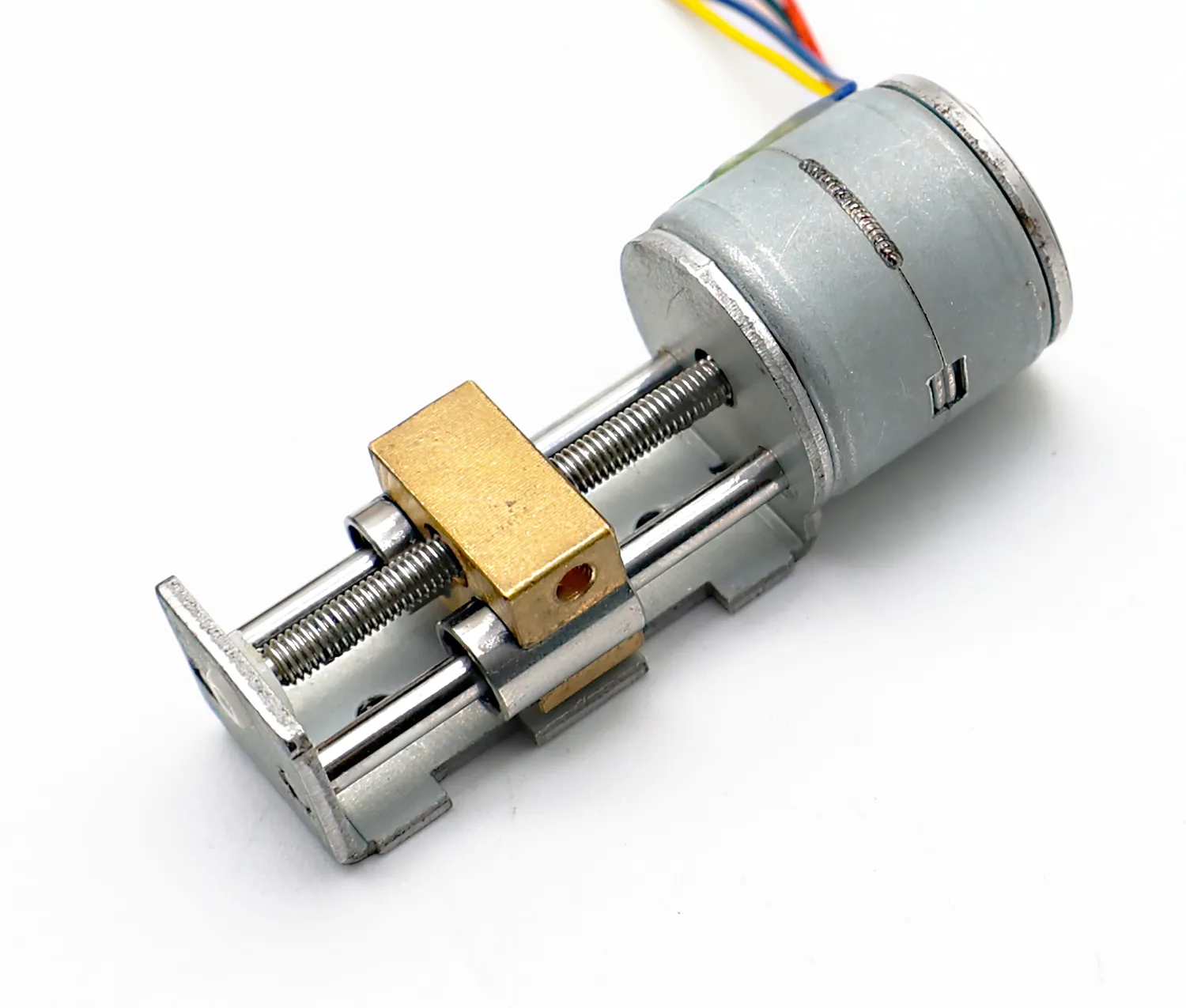
The versatility and performance characteristics of 12V stepper motors make them indispensable across numerous industries. Their unique combination of precision control, reliability, and compatibility with common power systems enables innovative solutions in these key application areas:
Automotive and Transportation Systems
Modern vehicles increasingly rely on 12V stepper motors for precision motion control. They provide accurate positioning in:
HVAC system flap control and air mixing valves
Instrument cluster needle movements and display adjustments
Headlight leveling and adaptive beam control systems
Throttle valve control and idle speed regulation
Advanced driver assistance systems (ADAS) sensor positioning
The inherent electromagnetic compatibility of 12V systems makes these motors ideal for automotive environments where electrical noise must be minimized.
Medical and Laboratory Equipment
In medical applications where safety and reliability are paramount, 12V stepper motors deliver exceptional performance:
Precision fluid handling in infusion pumps and analyzers
Sample positioning in automated diagnostic equipment
Adjustable positioning in surgical microscopes and dental chairs
Valve control in respiratory and anesthesia devices
Laboratory automation systems for sample processing
The low voltage operation provides enhanced patient safety while meeting strict medical device regulations.
Consumer Electronics and Office Equipment
The compact size and precise control of 12V stepper motors enable advanced features in:
3D printer extruder drives and axis positioning
Professional camera focus and zoom mechanisms
High-end projector lens adjustment systems
Paper handling in printers and copiers
Automated adjustment in smart home devices
Their quiet operation and smooth motion characteristics make them ideal for consumer-facing applications.
Industrial Automation and Control
12V stepper motors provide cost-effective automation solutions for:
Small conveyor system indexing and positioning
Pick-and-place machine axis control
Sorting and packaging equipment actuation
Valve and damper control in process systems
Sensor positioning and scanning mechanisms
The unified 12V power architecture simplifies control system design and reduces installation costs.
Robotics and Mechatronics
In robotic applications, these motors offer excellent performance for:
Small robotic arm joint actuation
Mobile robot wheel drive and steering
Gripper and end-effector positioning
Camera pan-tilt mechanisms
Educational and research robot platforms
Their precise position control without requiring feedback sensors makes them ideal for compact robotic systems.
Telecommunications and Network Equipment
12V stepper motors provide reliable operation in:
Antenna positioning and tracking systems
Satellite communication dish alignment
Fiber optic alignment and switching mechanisms
Server rack component positioning
Network equipment ventilation control
The ability to operate from standard telecom power systems makes them a natural choice for these applications.
Renewable Energy Systems
In green energy applications, 12V stepper motors enable:
Solar panel tracking and positioning
Small wind turbine pitch control
Energy monitoring and control systems
Battery management system actuation
Portable solar device positioning
Their low power consumption and compatibility with battery systems make them ideal for off-grid applications.
The widespread adoption of 12V stepper motors across these diverse industries demonstrates their versatility and reliability. From life-saving medical equipment to everyday consumer devices, these motors provide the precise, dependable motion control that modern technology demands. Their compatibility with standard power systems, combined with excellent performance characteristics, ensures they will continue to be the solution of choice for engineers designing the next generation of innovative products.
Stepper Motor FAQ
While physically possible in some cases, this requires careful evaluation. Our 12V stepper motor solutions typically feature lower inductance windings to maintain torque performance at reduced voltage. However, you must also replace the driver unit with a 12V-compatible model and verify that your power supply can deliver approximately double the current at the same power level. We recommend consulting our technical team for a complete system assessment before attempting such a conversion.
Temperature significantly impacts performance - for every 10°C above rated temperature, expect approximately 15% torque derating. Our motors feature Class B (130°C) insulation standard, with Class F (155°C) available for demanding environments. Humidity primarily affects connector reliability and winding insulation; we offer optional conformal coating and sealed connectors for high-humidity applications. Always consult our derating curves for your specific operating conditions.
The 0.9° high torque 12V stepper motor provides twice the positional resolution and typically operates smoother at low speeds due to reduced cogging torque. However, it may exhibit different torque-speed characteristics and require more processing power for step generation. Choose 0.9° for applications requiring precise micro-positioning (optical equipment, medical devices) and 1.8° for general-purpose applications where maximum torque and simplicity are priorities.
Extremely critical. Operating a motor below rated current reduces available torque, while exceeding it causes overheating and potential damage. Our 12V DC stepper motor datasheets specify optimal current values - set your driver to match these exactly. Modern drivers with auto-current detection and microstepping capabilities typically deliver the best performance when properly configured.
This is not recommended without special consideration. Parallel connection divides available current between motors, reduces effective inductance, and can cause unstable operation. If multi-axis synchronization is required, we recommend either using separate drivers with synchronized step signals or selecting specifically designed dual-shaft motors with matched windings for parallel operation.
Keshuo's 12 volt stepper motor designs are maintenance-free for most applications, featuring sealed bearings and lifetime lubrication. In extreme environments (high temperature, particulate contamination), we recommend periodic inspection of connectors and ventilation paths. Bearing life typically exceeds 20,000 hours in normal operating conditions, with actual lifespan depending on load, speed, and environmental factors.
Open-loop positioning accuracy is typically ±3% of step angle (±0.054° for 1.8° motors), excluding load-induced errors. However, actual system accuracy depends on mechanical backlash, load compliance, and control algorithm implementation. For critical applications, we recommend considering our hybrid closed-loop models that integrate position feedback for improved accuracy and stall detection.
Yes - battery operation requires additional considerations. Implement sleep modes to reduce holding current during idle periods, use voltage monitoring to compensate for battery discharge characteristics, and consider regenerative braking techniques to recover energy during deceleration. Our low-power optimized models feature reduced winding resistance specifically for battery applications, extending operational life by up to 30% compared to standard models.
Resonance typically occurs at specific step rates (often 100-200 RPM). First, try different microstepping settings - higher microstepping (1/16 or 1/32) usually helps. Mechanical solutions include adding inertia to the load or using vibration-damping mounts. Electronically, our drivers feature resonance suppression algorithms that automatically adjust current waveforms to minimize vibration. For persistent issues, we offer application-specific tuning services.
Need more assistance? Contact our technical support team
Key words:
Recent News


Request Engineer Support
Company Address:No. 17, Tianyang 1st Road, Dongfang Community, Songgang Street, Baoan District, Shenzhen City, Guangdong Province, China
WhatsApp QR Code